Why coffee from Nariño tastes the way it does
Farms up to 2,300 metres close to the equator, warm air rising from the canyons and tens of thousands of farms of under a hectare. What is behind the cup, with the data.
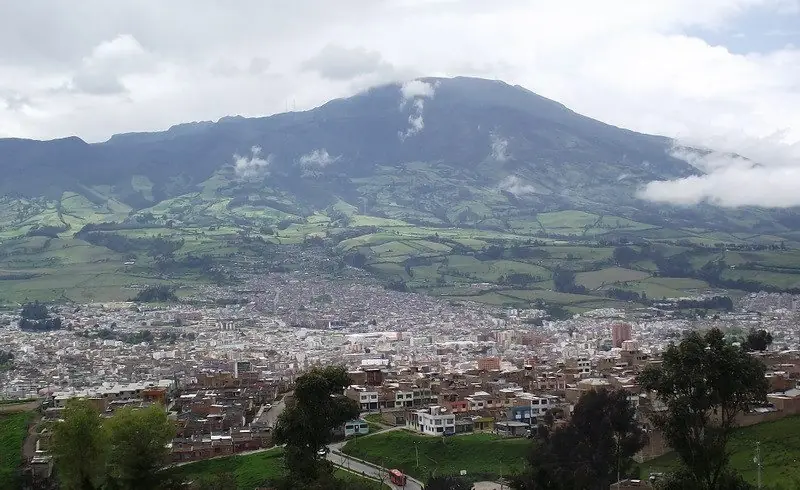
Nariño is in the far south of Colombia, on the border with Ecuador. On a map it looks too high and too cold for coffee. In the cup it is one of the most appreciated origins in the country, and in 2011 it became the first Colombian region with its own protected designation of origin for coffee.
High, close to the equator
Coffee in Nariño grows roughly between 1,500 and 2,300 metres, some of the highest commercial arabica in the world. Pasto, the capital, is only about one degree north of the equator. The sun is strong all year and the nights are cool, so the cherries ripen slowly, and slow ripening leaves more sugar and more acidity in the seed.
Warm air from the canyons
Deep river canyons, such as the Juanambú and the Patía, cut through the coffee zone. During the day they gather heat, and at night that warm air rises up the slopes. Importers who work in the region describe it as a blanket that keeps the frost off coffee planted where it would otherwise be too cold.
Volcanic soil
The Galeras volcano stands right above Pasto. Its ash makes loose, rich soils that drain well, and coffee trees like them.
Tens of thousands of small farms
Depending on the count, between about 40,000 and 54,000 families grow coffee in Nariño, on 36,000 to 38,000 hectares spread over some forty municipalities. The average farm is under one hectare. That is why lots from Nariño are small, and why every harvest brings different ones.
What does the designation of origin guarantee?
That coffee sold as Café de Nariño comes from the defined zone and meets its requirements. Colombia's Superintendence of Industry and Commerce protected the name in 2011, and the Coffee Growers Federation authorises who can use it.
Is all coffee from Nariño washed?
Most of it, like most Colombian coffee. More and more producers also make naturals, honeys and long fermentations. We send samples by process if you want to compare them.
Which varieties grow there?
Mostly Castillo, Colombia and Caturra, the classics of the country. Specialty farms also grow Pink Bourbon, Sidra and Geisha.
Why are the lots so small?
Because the farms are. With less than a hectare per family on average, a lot can be the harvest of a single family.
Does Nariño coffee taste the same every year?
No. The weather, the altitude of each farm and the process change the cup. That is why we cup every lot before we offer it.
Sources
- Superindustria protege la denominación de origen Café de Nariño, Superintendencia de Industria y Comercio
- Café de Nariño, con denominación de origen regional, Semana
- Diagnóstico y perspectivas de exportación del café nariñense, Universidad Mariana
- Tipificación de sistemas de producción de café en La Unión, Nariño, AmeliCA
- Nariño region, Colombian Specialty Coffee
- Wilfredo Córdoba, Nariño, Sucafina