Washed, natural, honey and beyond: what the process does to your cup
The same cherry can end up in very different cups. What each process does, how they differ, and why infused coffees are being debated.
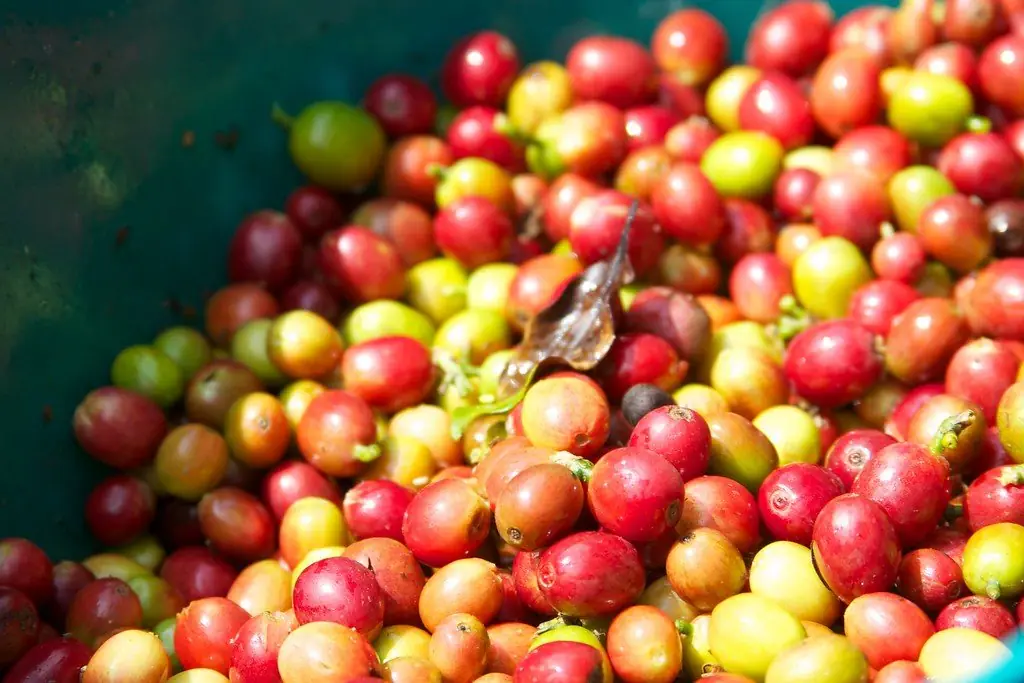
Every coffee bean is the seed of a red cherry. Before it can travel, the fruit has to come off and the seed has to dry. How that is done changes the cup almost as much as the variety or the altitude. In Nariño you now find every one of these processes, from the classic washed coffee to experimental lots.
Washed
The cherry is pulped the same day it is picked. The seeds rest in tanks while the sticky layer of fruit that is left, the mucilage, breaks down. Then they are rinsed with clean water and dried. Washed coffees are clean and bright and let the origin speak. Most Colombian coffee, and most coffee from Nariño, is made this way.
Natural
The whole cherry dries with the fruit still on, usually for two to four weeks, turned often so it dries evenly. The seed takes on sugar and fruit from the cherry, and the cup is sweeter and heavier, often with red fruit or wine. It needs care: a few wet days can spoil a whole lot.
Honey
Halfway between the two. The skin comes off but some or all of the mucilage stays on while the coffee dries. Producers call it yellow, red or black honey, depending on how much is left and how slowly it dries. The cup is sweet and round.
Anaerobic and long fermentations
The cherries or the pulped seeds ferment in closed tanks without oxygen, often for several days, with time and temperature under control. The cup gets more intense and more complex, with tropical fruit, spice or wine.
Co-fermented and infused coffees
Here something is added during processing: fruit, spices, or selected yeasts and other microorganisms. The cups can be striking. Our Infused coffee belongs to this group, and we always name it as such.
What is the difference between washed and natural?
In a washed coffee the fruit comes off before drying, and the cup is clean and bright. In a natural the seed dries inside the fruit, and the cup is sweeter, heavier and fruitier.
What other processes are there?
Besides washed, natural and honey: anaerobic fermentation, carbonic maceration (whole cherries ferment in a tank filled with carbon dioxide, a method borrowed from wine), long controlled fermentations, and co-fermented or infused coffees.
Is an infused coffee still specialty coffee?
It is being debated. There is no agreed industry definition yet. The World Barista Championship rules exclude coffee exposed to additives after it becomes green coffee, and the organisers of Best of Panama decided in 2024 to judge infused coffees apart. In trade, a co-fermented coffee still counts as green coffee. What matters is that it is labelled clearly.
Which process is right for my roastery?
It depends on your customers. Washed coffees are the safe base for espresso and filter. Naturals and fermentations stand out on a menu as a special filter or a guest espresso. The best way to know is to cup them.
How can I compare them?
Ask us for samples by process. We send them in groups, so you can roast them the same way and cup them side by side.
Sources
- Additive fermentation: infused coffee is gaining popularity and sparking debate, Roast Magazine
- Best of Panama organizers take hard stance against infused coffees, Daily Coffee News
- Why co-fermented coffees are becoming a category of their own, Perfect Daily Grind
- Five years on, where does the industry stand on infused coffees?, Perfect Daily Grind
- Co-fermented coffee: trends and controversy, Royal Coffee